
Water damage claims marketing is the biggest open opportunity in public adjusting, and the reason is a simple asymmetry: you get news alerts for fires, and you get nothing for water. When a house burns, the loss is public, the TV trucks arrive, and every chaser in the county is on the block by morning. When a pipe bursts behind a wall on a Tuesday in February, nobody knows except the family standing in it. There is no alert, no swarm, and no competition, just a property owner typing their crisis into a search bar or asking an AI what to do. Water losses happen every day, in every zip code, in every season, and almost no public adjusting firm has built marketing for that moment. This article is about becoming the firm that has.
Water Damage Claims Marketing: Key Points
- Fire claims chase themselves: the loss is public, so the competition arrives with the smoke. Water losses are silent, and silence means the searches are winnable.
- Water is consistently among the most frequent property claims, far more frequent than fire, and it happens year-round instead of by season.
- Silent claims are won by always-on visibility: claim-type pages, the map pack, and AI answers, working at 2 a.m. when the pipe lets go.
- A silent-claims engine signs work every month of the year, while storm-driven firms wait for weather.
Fire Claims Chase Themselves
Think about what happens after a serious fire. The loss is visible from the street, it makes the local news, and everyone who works the disaster economy knows about it within hours. By the time the property owner catches their breath, they have met contractors, board-up crews, and often several public adjusters, all competing for the same file. Fire is the claim type the whole industry markets for, precisely because it announces itself. That visibility is also why it is brutal ground to compete on: you are fighting every firm in the market for a loss everyone can see, and the property owner is choosing between a crowd of strangers on the worst day of their life. Most public adjusters we talk to are fire chasers, and it shows in every market we map. Which raises the question this whole article answers: who gets the water claims? The firms with an answer for the person searching what to do next.
Water Is Silent, Constant, and Everywhere
Now think about the burst supply line, the failed water heater, the ice dam, the sewer backup, the slow roof leak that finally comes through the ceiling. No alert exists for any of it. These losses are private, they are constant, and they are everywhere: water damage sits among the most frequent property claims in the country year after year, far ahead of fire, and it does not wait for storm season. A freeze event produces them in January, plumbing fails in July, and appliances fail whenever they please. Every one of those moments produces the same scene: a property owner alone with the damage, with no crowd of advocates at the door, doing the only thing left to do. Searching. And in most markets, when they search for help with a water damage claim, no public adjusting firm has built anything real for them to find.
Here is how real this is. A friend of ours had a sprinkler line burst outside the house and flood the basement. The carrier said no. They hired a public adjuster, and the claim settled for $20,000. That outcome is exactly what this profession exists to produce, and it almost did not happen, because like most property owners, they barely knew the service existed. This profession needs to be known, and marketing is how it gets known.
How to Market for the Claims Nobody Can See
Start by mapping the journey, because it is remarkably consistent. The house floods. The owner calls their insurance company. And when that call leaves them uneasy, they go to Google or an AI and ask two questions: what should I do, and who should I call? You should be the call, and with a great online presence, you are. This is where marketing agencies have been failing public adjusters: showing up in that moment takes authority built over months, and the generalist agencies selling this industry never build it. Meeting the person in the moment with authority is the entire strategy, and the content does the introducing for you: how you help, that there is no fee unless you get paid, and what happens next.
Silent claims cannot be chased, so they have to be caught, and catching them is an always-on visibility problem. It starts with claim-type pages: a real page for water damage claims, and for the disputes underneath it, built the way our authority-based SEO builds everything, one keyword to one page. It runs through the local layer, because "water damage claim help" searches carry city intent and the map pack decides who gets the call. And it now runs through AI optimization, because the owner standing in two inches of water at 2 a.m. increasingly describes the situation to ChatGPT or Gemini and asks what to do, and the model recommends whoever built the authority to be the answer. Education content does heavy lifting here too: water claims produce more disputes than most owners expect, over sudden versus gradual damage, maintenance exclusions, and scope of repairs, all of which can be explained factually and generally, and the firm that explains it becomes the firm that gets called. One compliance note woven through all of it: this is marketing that waits to be found at the moment of need, and any event-driven campaigns launch only after an event has passed, which keeps the whole strategy inside public adjuster advertising rules.
Somewhere in Your City, a Pipe Just Let Go.
Nobody is racing you to that claim, because nobody knows it happened. One free call shows you the water damage searches in your market and who wins them today.
The Business Case: Work Every Month, Not Every Storm
A firm built around visible losses lives on the weather: feast when a storm lands, famine in between. A silent-claims engine has no off-season, because pipes, appliances, and roofs fail on their own schedule, and that changes the economics of the whole firm. Steadier intake, steadier cash flow, and a pipeline that does not depend on a hurricane making landfall in your state. The claims are worth real money too: water losses escalate fast into flooring, drywall, cabinetry, and mold remediation, commercial water losses reach six and seven figures, and condo and association work is where water becomes recurring business, because a building that had one supply-line failure will have another. Those are the files that build a large loss practice without waiting for a catastrophe.
The Firm That Gets There First, Stays There
Here is the part that should create some urgency: silent-claims marketing compounds, and it compounds for whoever builds it first. The water damage searches in your market are winnable right now because nobody is competing for them, but the firm that builds the pages, the local signals, and the AI authority becomes the default answer, and defaults are hard to displace. This is the same logic that runs through everything we build as the team behind public adjuster marketing for firms across the country: find the moment of loss nobody else is standing at, and be there consistently. Fires will always have a crowd. Water has an open lane, for now. Public Adjusting Marketing's Google Business Profile holds the record of how we work.
While Everyone Chases the Fire, Own the Water.
On one free consultation we map the water damage searches in your market: what property owners ask, who ranks today, where the map pack is open, and what the claims are worth. You leave with a real read on the quietest opportunity in your market, whether we work together or not.
Frequently Asked Questions About Water Damage Claims Marketing
What is water damage claims marketing?
Water damage claims marketing is the work of making a public adjusting firm findable at the moment a silent water loss happens: claim-type pages that rank for water damage searches, map pack visibility in your cities, AI optimization so ChatGPT and Gemini recommend the firm, and education content for the disputes water claims produce. Because water losses generate no public alert, the firm that owns the searches wins the claims without a single competitor at the door.
Why are water damage claims called silent claims?
Because nothing announces them. A fire makes the news and draws every chaser in the county, but a burst pipe, failed water heater, or sewer backup is invisible from the street. Nobody knows it happened except the property owner, so there is no swarm and no race. The owner's only move is to search or ask an AI for help, which means visibility at that moment is the entire competition, and in most markets nobody has built it.
Are water damage claims really more common than fire claims?
Yes, by a wide margin. Water damage consistently ranks among the most frequent property insurance claims in the country, far ahead of fire, and unlike storm claims it arrives year-round: freezes in winter, plumbing and appliance failures in every season, roof leaks whenever they finally break through. Frequency is exactly what makes the category valuable for marketing, because a steady stream of claims supports a firm every month instead of every storm.
How do public adjusters get water damage claims?
By being findable when the loss happens, since these claims cannot be chased. That means a dedicated water damage claims page built to rank, local SEO and a Google Business Profile that win the map pack in your cities, AI visibility for the owner who asks ChatGPT what to do at 2 a.m., and content that answers the questions water claims raise. Referral relationships with plumbers and restoration companies help too, run without referral fee arrangements where rules prohibit them.
Why do water damage claims get denied or underpaid?
Water claims produce more disputes than most owners expect, and the common battlegrounds are factual ones: whether damage was sudden or gradual, maintenance and wear exclusions, the scope of tear-out and repairs, and whether mold remediation is covered. These are exactly the disputes where documentation and policy knowledge change outcomes, which is why educational content about them earns so much trust. It reaches property owners at the moment they realize the claim is harder than they thought.
Is water damage marketing compliant with public adjuster advertising rules?
It is naturally suited to compliance, because it waits to be found rather than soliciting. The visibility is always on, and the property owner initiates contact. Two rules still apply everywhere: event-driven campaigns should launch only after an event has passed, and copy should always be conditional, speaking to owners whose property may have been damaged rather than telling an audience they have damage. State rules vary and can be stricter, so your state's requirements control.
What about commercial and condo water claims?
They are the deep end of the category. Commercial water losses reach six and seven figures once business interruption enters the picture, and condo and association buildings are where water becomes recurring work, because aging supply lines and stacked units mean a building that flooded once will likely flood again. Board members research advocates carefully before hiring, so the firm with real content for association water claims wins a vetting process most competitors never enter.
Is marketing for silent claims better than storm marketing?
They do different jobs, and the strongest firms run both. Storm work delivers volume when weather arrives, but it is seasonal, crowded, and regulated by strict solicitation timing. Silent-claims marketing signs work every month of the year with almost no competition, and the visibility it builds also catches storm claims when they come. Build the always-on engine first, and let storms be a bonus on top instead of the business model.
The Quietest Claims Are the Least Contested. Go Where the Crowd Is Not.
The water damage searches in your market are being made tonight, and in most cities nobody credible is answering them. One free consultation maps those searches, the map pack, and the AI answers, from the team that builds silent-claims engines for a living. Tell us your story.
Go Deeper on Winning the Biggest Files
- Marketing for Large Loss Claims: fires, commercial, and construction, positioned properly.
- Local SEO and the Map Pack: the local layer where water damage searches convert.
- How Do Public Adjusters Get Clients? Ten Channels Ranked: where silent claims fit in the full channel mix.
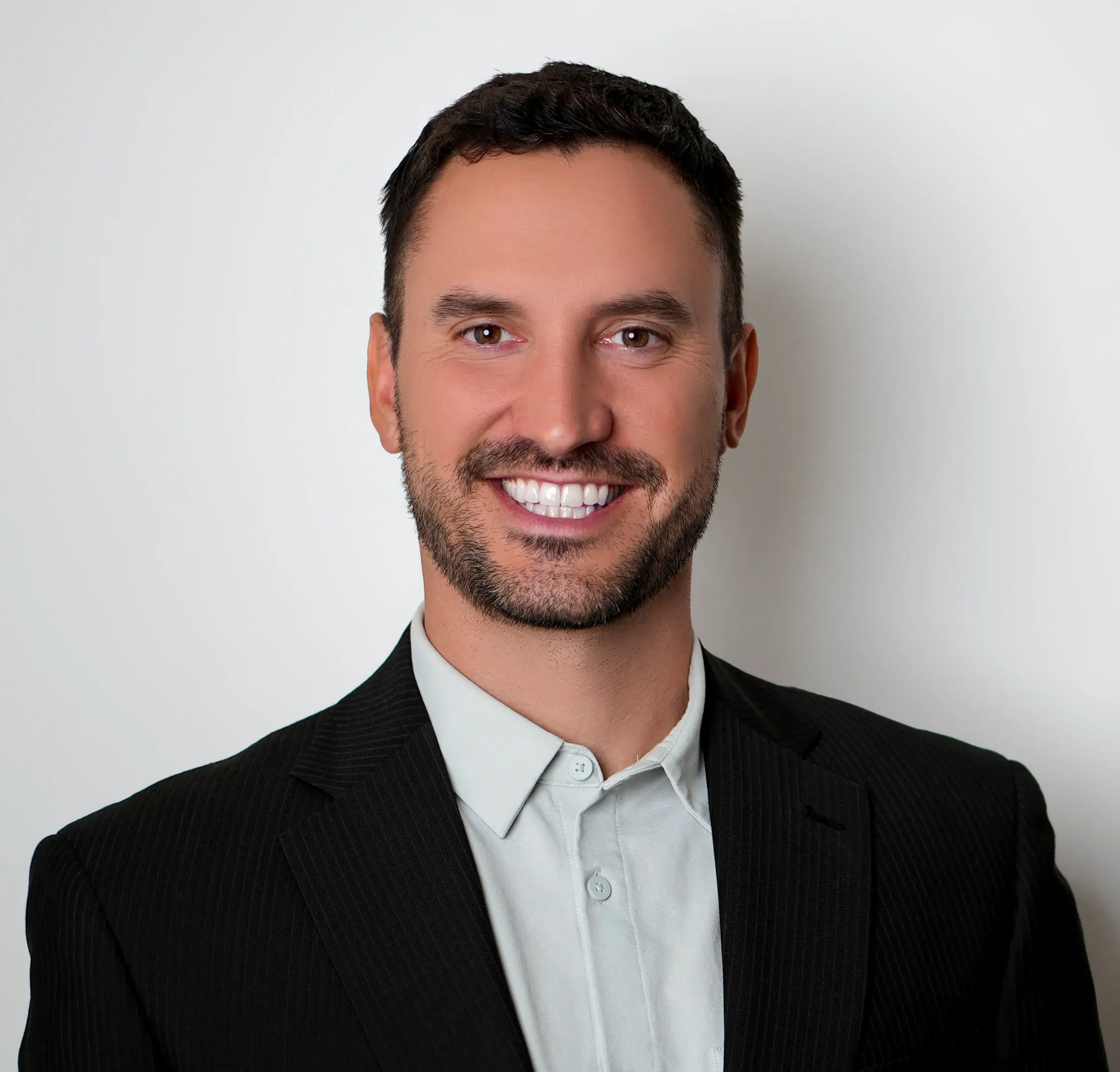
Rob, Founder of Public Adjusting Marketing
Rob is one of the country's top lead generation marketers by budget managed, directing $1,000,000 a month in SEO and $6,000,000 a month in advertising in personal injury, the most competitive market online, before building Public Adjusting Marketing exclusively for public adjusters. His approach blends lead generation with a brand strategy that grows: leads meet property owners in the moment they need help, and brand builds the trust that gets your firm hired.
The silent claims thesis is Rob's favorite kind of strategy: an asymmetry hiding in plain sight. Personal injury taught him that the most profitable searches are the ones competitors have not noticed yet, and water damage is that opportunity for public adjusters, the most frequent serious property claim in the country with almost nobody marketing for it. He builds the pages, local signals, and AI authority that catch losses no one can chase, so his clients sign steady claims in every season while their competitors watch the weather.