
New insurance claim marketing is a race most firms do not realize they are running, and it is usually decided in the first 48 hours after a loss ends. A claim is at its strongest the day it happens: the evidence is complete, nothing has been repaired or hauled away, and the property owner has not yet given a recorded statement or accepted a first figure. Every hour after that, the file gets a little weaker and a little harder to move. The firm that wins the freshest claims is rarely the one with the best pitch. It is the one an owner finds and trusts in that narrow window, which is a marketing problem before it is an adjusting one. This guide covers why early files settle better, what an owner searches in the first hours, how to be found fast, and how to do all of it inside the rules.
New Insurance Claim Marketing: Key Points
- A claim is most winnable in the first 48 hours after a loss, while the evidence is complete and before an early figure or a recorded statement narrows the file.
- Early files tend to settle better in principle, not from any trick, but because the documentation is fuller and the scope is set before the scene changes.
- New insurance claim marketing means being found in that window, not chasing it: you rank, you answer, and you wait to be the firm an owner searches for after a loss.
- Owners search in the first hours, often before they call anyone, and the firm with the ranking, the AI answer, and a site that converts is the one that gets the call.
- Solicitation must wait until a loss event ends, and no copy should tell an audience they have damage: you market to be found, and state law controls.
Why the First 48 Hours Decide How a Claim Ends
The value of a claim is set early, whether or not anyone is paying attention. In the hours after a loss, the scene still tells the whole story: the water line on the drywall, the lifted shingles, the soaked insulation nobody has torn out yet. That is the moment a file is easiest to document completely and hardest to dispute. Wait a week, and mitigation, cleanup, and ordinary life have quietly erased half the proof.
Fresh Evidence Is Stronger Evidence
An adjuster who documents a loss while it is fresh is working from a complete record, not a reconstruction. Photos taken before the water dries or the debris is hauled show the full extent, and a full extent is what a fair settlement is built on. This is not a trick, and there are no magic numbers behind it. A file that captures everything simply gives everyone more to work from, which tends to produce a better and more accurate outcome.
The First Figure Anchors Everything After It
Once a property owner accepts or fixates on an initial figure, every later conversation becomes a negotiation up from that anchor, which is slower and steeper than starting from a complete scope. An adjuster involved early helps the owner document the full loss before anyone settles on a number. The biggest files reward this the most, which is why we treat speed as a core part of large loss public adjuster marketing: on a serious loss, the gap between an early, organized file and a late, partial one is enormous.
New Insurance Claim Marketing Starts the Moment a Loss Ends
Here is the line that matters, both strategically and legally. New insurance claim marketing is the work of being found the moment an owner starts looking for help, which happens after a loss, not during it. You are not knocking on doors while the storm is still overhead. You are building a presence that ranks, answers questions, and earns trust, so that when an owner sits down and searches, your firm is already there waiting.
That distinction is also the compliance line. The Model Act framework most states adopt bars a public adjuster from soliciting while a loss-producing event is still in progress, and it bars telling an audience they have damage before an inspection. Good marketing respects both without strain, because being findable is the opposite of chasing: you publish, you rank, and you let the owner come to you. Frame everything conditionally, if your property was damaged, and let the timing take care of itself. For a multi-day catastrophe, the window simply opens when the event ends. State law controls, and this is education rather than legal advice.
You Cannot Chase the First 48 Hours. You Can Own Them.
Owning that window is a build, not a scramble: the rankings, the answers, and the site that meet an owner the moment they start looking, all inside the rules. We put the pieces in place before the loss ever happens, so your firm is the one found first when it does.
What a Property Owner Types in the First Hours
Long before an owner knows what a public adjuster is, they have a phone in their hand and a problem they do not understand. They search plain, worried questions: what to do about water coming through a ceiling, whether a policy covers a certain kind of damage, whether they even need help dealing with a claim. These are moment-of-loss searches, and they are the front door to every new claim in your market.
Some of these losses are loud, and some are silent. A kitchen fire brings trucks and neighbors; a slow leak behind a wall brings nothing but a quiet midnight search, which is exactly why we treat water damage claims marketing as its own discipline: the freshest water claims never make the news, so search is the only place an owner finds you. Whatever the peril, the owner is looking, and the firms that show up are the ones that studied where these searches go, which is the whole subject of how public adjusters get clients.
Being the Firm Found First, Fast
Being found in that window comes down to three things working together: you have to rank for what an owner searches, show up in the AI answer they now read first, and have a site that turns a frightened visitor into a phone call. Miss any one of the three and a fresh claim goes to whoever covered all three.
Rank for the Moment of Loss
Search is still where most claims begin, and ranking for the questions owners ask in the first hours is the difference between being found and being invisible. That is slow, compounding work: the pages, the local signals, and the authority that put your firm on the first screen for the searches that matter, which is exactly what public adjusting SEO is built to do. The firm on page one owns the moment; the firm on page three does not exist.
Show Up When AI Gives the Answer
More owners now ask an AI assistant before they open a list of links, and the assistant names a few firms in a sentence or two. If your firm is not one of them, the owner may never see a search result at all. Being cited in those answers is a new and learnable skill, and it is the entire focus of our guide to AI search for public adjusters. The moment of loss increasingly runs through a machine that answers first and links second.
A Site That Turns a Scared Search Into a Call
Ranking and AI get an owner to your door; the site decides whether they knock. In the first hours, a visitor is anxious and skeptical, and they need to see, fast, that you handle claims like theirs, that real people stand behind the firm, and that the next step is simple. A slow, vague, or dated site sends a fresh claim straight back to the search results and on to a competitor.
Win the Window, and the Claim Follows
The firms that grow are not the ones with the loudest ads or the pushiest intake. They are the ones that decided to own the first 48 hours: found first, trusted fast, and ready before the loss, all inside the rules. That is the entire job of a real public adjuster marketing engine: rankings, AI presence, and a converting site that meet an owner in the window when their claim is still winnable, then feed every lead into one tracked intake so you can see exactly what the freshest claims are worth. That is how Public Adjusting Marketing builds an account: be the firm found first, never the firm chasing, and let the calendar of losses come to you.
The First 48 Hours Are Won Months in Advance.
On one free consultation, we show you exactly what an owner finds when they search for help in your market right now, where your firm sits in the rankings and the AI answers, and what it would take to be the one found first. You leave with a clear picture of the window you are winning and the window you are missing, whether you hire us or not.
Frequently Asked Questions About New Insurance Claim Marketing
What Is New Insurance Claim Marketing?
New insurance claim marketing is the work of being found and trusted by a property owner in the short window right after a loss, when a claim is most winnable. Instead of chasing events, you build rankings, AI visibility, and a site that convert an owner's first search into a call. The goal is simple: be the firm they find first, inside the rules.
Why Are Fresh Claims More Profitable to Pursue?
New insurance claim marketing targets fresh claims because a file is strongest the day it happens, when the evidence is complete and nothing has been repaired or thrown out. Early involvement means a fuller scope and a claim documented before any figure anchors the outcome. There is no gimmick behind it; a complete record simply supports a better and more accurate settlement.
How Fast Do Property Owners Search After a Loss?
New insurance claim marketing exists because owners search almost immediately, often within hours and frequently before they call anyone. They type plain, worried questions about what to do and whether they need help. The firm that ranks, appears in the AI answer, and converts that first search is the one that gets the call, which is why speed of presence matters more than volume of advertising.
Is New Insurance Claim Marketing Compliant With Solicitation Rules?
New insurance claim marketing is compliant when it is built on being found rather than reaching out. The Model Act framework most states adopt prohibits soliciting while a loss event is still in progress and prohibits telling an audience they have damage. Ranking, answering questions, and using conditional framing respect both rules. State law controls, and this is education rather than legal advice.
How Do the First 48 Hours Change What a Claim Settles For?
New insurance claim marketing focuses on the first 48 hours because that window shapes the entire claim. Evidence is complete, the scene is intact, and the owner has not yet accepted an initial figure or given a recorded statement. A file built early, from a full scope, gives everyone more to work from, which in principle supports a stronger and fairer result than a late, partial one.
Do I Need SEO and AI Visibility, or Just One?
New insurance claim marketing needs both, because owners now split between classic search and AI assistants that answer first and link second. Ranking on page one wins the owners who scroll results; being cited in the AI answer wins the growing share who never do. Skipping either leaves half the moment-of-loss searches in your market to a competitor who covered both.
How Is This Different From Buying Storm Leads?
New insurance claim marketing builds a presence you own, while purchased storm leads rent someone else's list and often arrive shared, stale, or timed to an event still in progress. Owned rankings, AI visibility, and a converting site meet an owner on their own search, after a loss, inside the rules. It takes more patience up front and returns far more per claim over time.
How Soon Does New Insurance Claim Marketing Produce Results?
New insurance claim marketing compounds rather than switches on, so the honest answer is that it builds over months, not days. Rankings and AI citations take time to earn, but once they land they keep producing without paying per lead. Firms that start before the next big loss season are the ones found first when it arrives; the work done today wins the claims of next quarter.
Be the Firm Found First When the Next Claim Starts.
A loss will happen in your market this week, and an owner will search for help within the hour. Public Adjusting Marketing builds the rankings, the AI presence, and the site that put your firm in front of that search, so the freshest and most winnable claims come to you, compliantly, on your terms. Tell us your market, and we will show you the window you could own.
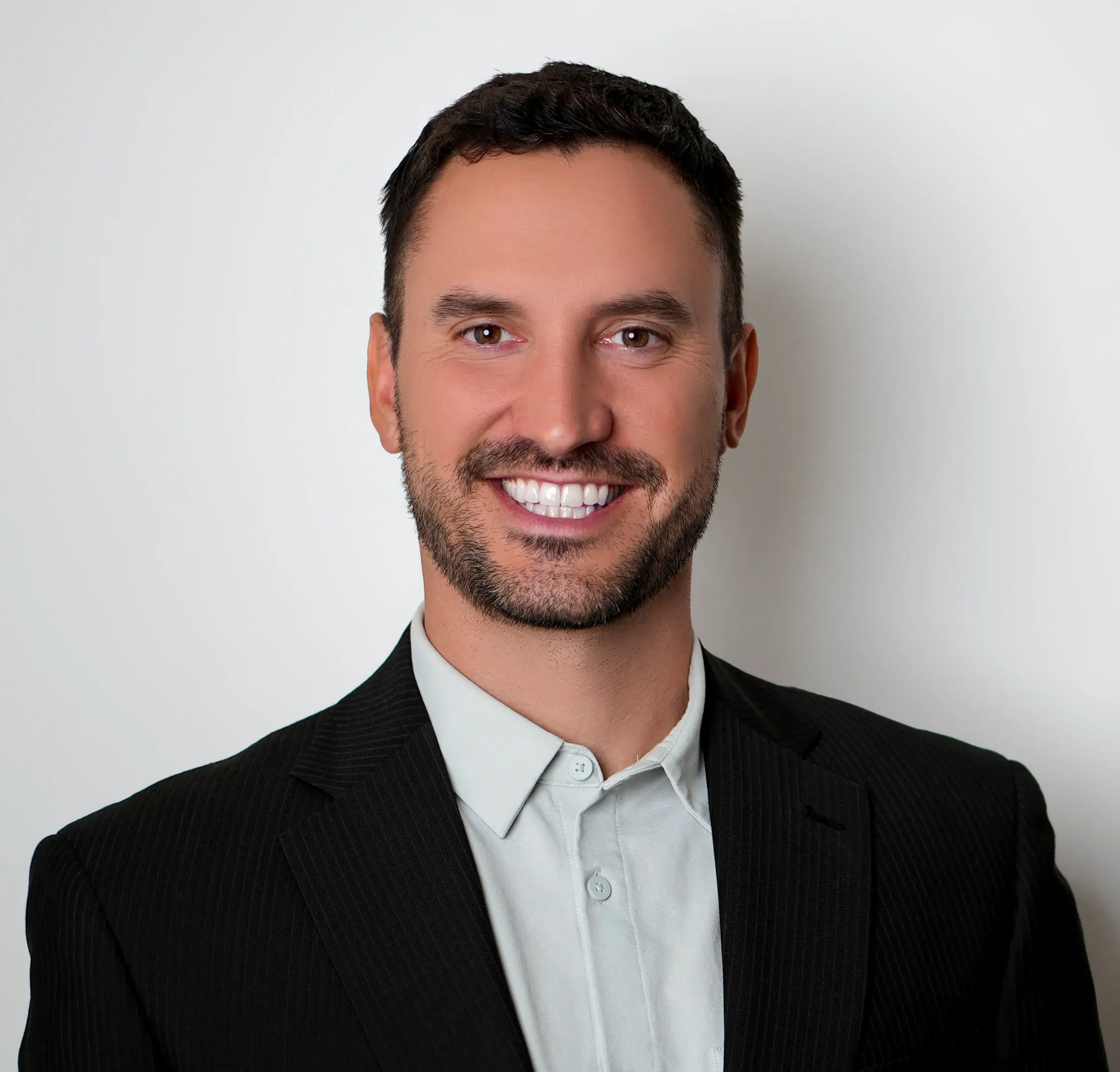
Rob, Founder of Public Adjusting Marketing
Rob is one of the country's top lead generation marketers by budget managed, directing $1,000,000 a month in SEO and $6,000,000 a month in advertising in personal injury, the most competitive market online, before building Public Adjusting Marketing exclusively for public adjusters. His approach blends lead generation with a brand strategy that grows: leads meet property owners in the moment they need help, and brand builds the trust that gets your firm hired.
Speed is where Rob's years in legal marketing pay off most, because personal injury runs on the same clock as a fresh claim: the firm an injured person finds first usually gets the case, and the firms that ranked, answered, and converted fastest are the ones that grew. He brought that same focus on the moment of need to public adjusting, where a file is most winnable in the days right after a loss. The marketing job, as this article argues, is to be the firm an owner finds and trusts in that window, inside the rules, without ever chasing an event.