
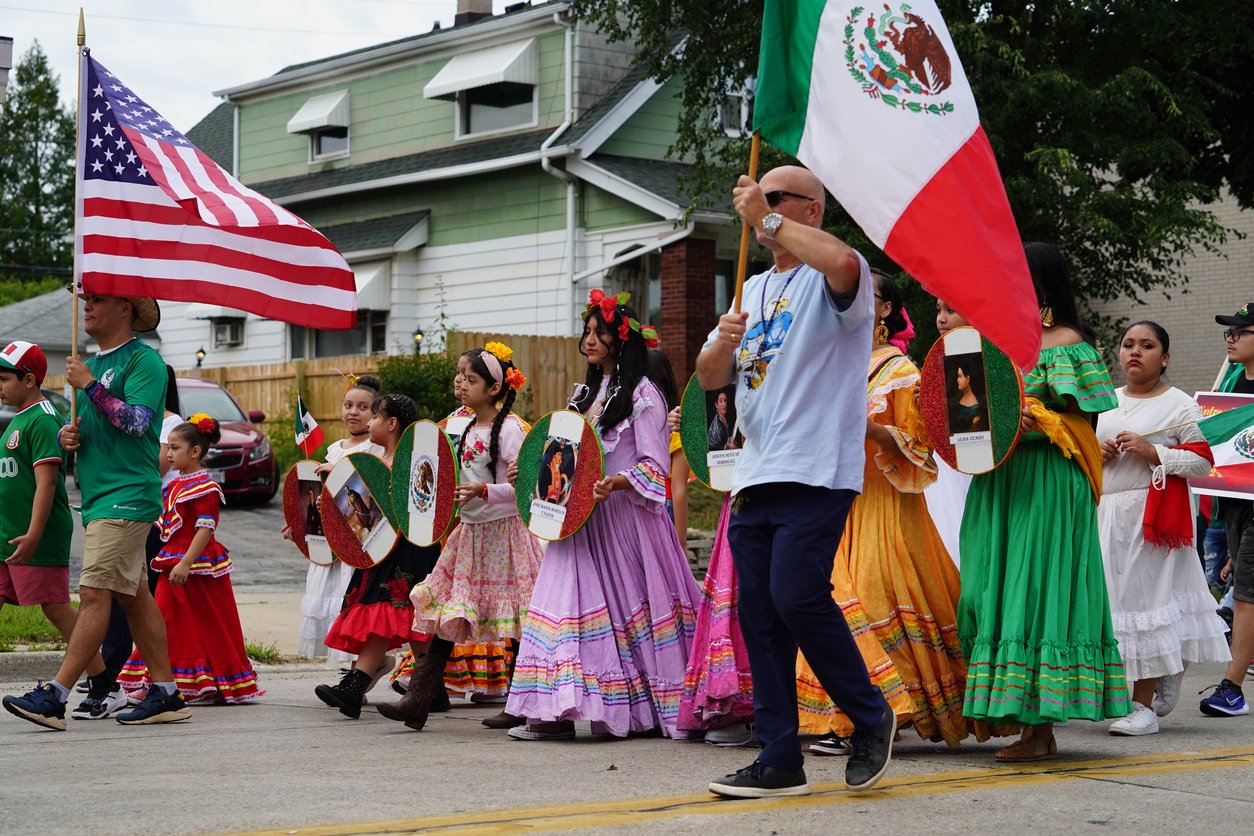
Spanish-language marketing for public adjusters is a Spanish-speaking intake path first, then Spanish pages, a Spanish layer on the Google Business Profile, Spanish reviews, Spanish ads, and Spanish social proof, each written for how Spanish-speaking owners in a specific city search and speak. It matters because in several of the largest public adjusting markets a large share of owners speak Spanish at home, and almost every firm markets only in English. The direct answer: build it if the firm can take the call in Spanish the day the first ad runs, and not before. This guide is the build order, the SEO mechanics, the compliance layer, and the tracking. State law controls, and this is education rather than legal advice.
Spanish-Language Marketing for Public Adjusters: Key Points
- In Miami-Dade County, 75.3 percent of residents age 5 and older speak a language other than English at home; in Harris County, nearly half do (US Census Bureau QuickFacts, 2020-2024 American Community Survey). Almost no firm markets to them in Spanish.
- Not a translated English site: Spanish intake first, then education, pages, profile, ads, and social proof in the city's own Spanish.
- Build order: intake, claim education, fee and process pages, city pages, the profile layer, search ads inside licensed states, then video testimonials.
- SEO: separate Spanish URLs, hreflang, keywords researched in Spanish, links between language versions, and a Spanish focus keyword on every page.
- Compliance: every regulated sentence must read correctly in Spanish, California requires the contract and cancellation notice in the language of the negotiation, and unlicensed staff may take messages but not advise. State law controls throughout.
Why Is Spanish-Language Marketing for Public Adjusters Such an Empty Lane?
Two counties make the case. US Census Bureau QuickFacts puts Miami-Dade County, Florida at 70.6 percent Hispanic or Latino in its 2025 estimate, with 75.3 percent of residents age 5 and older speaking a language other than English at home, per the 2020-2024 American Community Survey. Harris County, Texas, which is Houston, is 46.1 percent Hispanic or Latino, and 45.0 percent speak a language other than English at home: nearly half of the county.
The Census counts every non-English language in that figure, so treat it as a ceiling for the Spanish-speaking share, not the exact number. Read conservatively, it still describes a market where a very large number of owners search and negotiate in Spanish. Los Angeles, Chicago, New York, and Denver each carry a large Spanish-speaking population of their own.
Now look at the firms. Search the Spanish terms an owner would use in those cities and the results are thin: a translated paragraph, a Facebook page, and the personal injury attorneys who figured out Spanish advertising years ago. Public adjusters as a group have not. It is a lane with almost nobody in it, in the cities where the English lane is most crowded, as our Miami and Houston market pages describe.
What Does Spanish-Language Marketing Mean for a Firm That Has to Be Careful?
It does not mean running the English site through a translation tool and adding a toggle. A machine-translated page reads like a machine, and an owner deciding whether to trust a stranger with a six-figure claim can tell in a sentence. Worse, the tool has no idea which sentences are regulated, so it will produce a fee answer that is fluent and legally wrong.
For a firm that has to be careful, it is a stack in a fixed order. First comes a Spanish-speaking human who can take the call, ideally a licensed adjuster and at minimum a bilingual staffer working under one. Only then come Spanish pages, a Spanish presence on the profile, Spanish reviews, Spanish ads, and Spanish social and email, each written for the city, not for "Spanish" in the abstract.
Miami's Spanish is shaped by Cuba, Venezuela, and Colombia; the Spanish of Houston and Los Angeles by Mexico and Central America. An owner in Houston may search "aseguranza" where an owner in Miami searches "seguro". The right vocabulary sounds like a neighbor; the wrong one sounds like a call center, and the owner hangs up.
In What Order Should a Public Adjusting Firm Build Its Spanish Presence?
The order is not negotiable, because each step produces demand the previous step has to catch. Ads before intake buy calls the firm cannot take. City pages before claim education rank for questions nobody has answered. Build from the phone outward.
Intake First: A Spanish Speaker Who Can Take the Call the Day the First Ad Runs
Everything depends on who answers when a Spanish-speaking owner calls. Ideally that is a licensed adjuster who speaks Spanish, because the claim conversation, the advice, and the signing are licensed work. The compliant fallback is a bilingual staffer who gathers information, schedules, and interprets for a licensed adjuster, and never advises or solicits alone. Decide this before a page is written; an English voicemail is a lost claim. State law controls, and this is education rather than legal advice.
Claim Education in Spanish That Answers What Owners Search
The first content is not a sales page. It is the plain answers an owner searches before knowing your firm exists: what an ajustador público is, how one differs from the insurer's adjuster, what one costs, how the process runs, and what to document before repairs begin. Write these in the city's Spanish, framed conditionally ("si su propiedad sufrió daños"), and publish them first; they are what a search result or an AI assistant hands an owner who has never heard the term.
The Fee Answer and the Process Page, Rewritten Rather Than Translated
Two pages carry more regulatory weight than the rest of the site: how the firm is paid, and how the process works. Both need a Spanish version by someone who knows what the English version is legally doing. The Spanish fee answer must state the fee the firm may lawfully charge in that state, including any lower cap after a declared emergency, and the process page must describe the policyholder's rights without promising outcomes. State law controls, and this is education rather than legal advice.
Spanish City Pages That Sound Like Miami, Houston, or Los Angeles
Then the city layer: a Spanish page per metro, built the way our guide to location pages for public adjusters describes, with one true angle per city and no templated swap of the city name. The Miami page covers condo associations and hurricane deductibles, the Houston page flooding and freeze losses, and the Los Angeles page fire claims and earthquake exclusions, each in the Spanish an owner there uses. Our Los Angeles market page shows the English side of that city.
A Spanish Layer on the Google Business Profile: Services, Posts, and Review Replies
The profile does not need a second listing, just a Spanish layer on the one you have. Add Spanish service descriptions beside the English ones, publish posts in Spanish, ask Spanish-speaking clients for reviews in Spanish, and answer in Spanish. Google lets a business post and respond in any language and shows translated reviews, so one Spanish review works on both audiences. The rest of the profile still has to be complete, which our guide to local SEO for public adjusters covers field by field.
Spanish Search Ads With Language Targeting, Inside Licensed States Only
Google Ads lets a campaign target users by language, so a Spanish campaign reaches Spanish-language searchers and sends them to Spanish landing pages. Build it as its own campaign with its own keywords, copy, and tracking number, start at $500 to $1,500 a month depending on the market, and scale only on evidence. Geography is set by the license list, not by where Spanish is spoken: advertising as a public adjuster is regulated activity, and an ad served into an unlicensed state is a violation before the first click. State law controls, and this is education rather than legal advice.
Spanish Social Proof: Video Testimonials From Clients, With Permission
The last layer is proof in the owner's own language. A short video of a Spanish-speaking client describing, with written permission, what the claim was and how the firm handled it does more for a landing page than any paragraph. Use real clients and real outcomes stated plainly, never as typical or guaranteed, then run the clips on the Spanish social feed and email list.
Nobody Is Answering the Phone in Spanish. That Is the Opportunity.
In the biggest public adjusting markets, a large share of owners search in Spanish and reach an English voicemail. We build the Spanish program in order, intake first, then education, pages, profile, and ads, so every call lands with someone who can take it, in a state where the firm is licensed to answer.
How Do Spanish Pages Get Set Up So Google Serves the Right Language?
Five mechanics separate a Spanish presence Google can rank from a translation Google cannot see. First, separate URLs: every Spanish page lives at its own address, such as an /es/ directory, never behind a toggle that swaps text in place and hides it from the crawler. Second, hreflang, the tag that tells Google which English and Spanish pages are versions of each other, so a Spanish-language searcher gets the Spanish page.
Third, keyword research done in Spanish rather than translated. "Public adjuster Miami" does not tell you whether owners search "ajustador público en Miami", "ajustador de seguros", or something else; only the data does. Fourth, internal links between the language versions in both directions, so neither is orphaned. Fifth, a Spanish focus keyword on each page, carried through the title, meta description, and headings.
Which Regulated Statements Have to Read Correctly in Spanish?
Every sentence a regulator would read on the English site is one the Spanish site has to get right, and right means legally correct, not just fluent. The fee answer has to match the fee the firm may lawfully charge in that state. Solicitation timing applies in every language: a Spanish radio spot, a WhatsApp broadcast, or an ad that runs while a loss-producing occurrence is in progress is solicitation during an event.
Conditional framing has to survive translation: "si su propiedad sufrió daños", never a message telling a neighborhood it has damage nobody inspected. Any disclosure a state requires in a written advertisement has to appear in the Spanish version, accurately rendered. Deductible inducements are prohibited in Spanish as in English, and our guide to public adjuster advertising rules covers how the large states differ. State law controls, and this is education rather than legal advice.
California ties the language of the marketing to the contract. Insurance Code section 15027(l) provides that "the contract and the notice of cancellation ... shall be written in the same language, e.g., Spanish, as principally used in the negotiation of the contract." A firm marketing in Spanish there is inviting Spanish negotiations, so both documents have to exist in Spanish, reviewed by counsel, before the first call. State law controls, and this is education rather than legal advice.
Two more lines get crossed in this niche. A bilingual receptionist may take a message, gather facts, and schedule, but may not advise on the claim or ask for the signing, because the Model Act framework most states adopt reserves that work for the license holder. And paying a church leader, a tax preparer, a notary, or a radio host per client who calls is a referral fee to an unlicensed person, which the same framework prohibits; educate those people and let referrals follow unpaid. State law controls, and this is education rather than legal advice.
The Translation Is the Easy Part. The Compliance Review Is the Work.
A Spanish fee answer that is fluent and wrong is a problem in two languages. We write every regulated sentence of a Spanish program, the fee answer, the conditional framing, the disclosures, and the intake script, to match what the firm may lawfully say in each state, and flag where contract rules change what must exist before launch.
How Do You Measure Whether Spanish-Language Marketing Is Producing Signed Claims?
The same three numbers we track on every account, click, lead, and signed claim, plus one field: language. Give the Spanish pages, ads, and profile layer their own CallRail tracking numbers and the Spanish forms their own destination, and have intake record the language of every call and signing. The monthly review then names which signed claims came from Spanish search, the map pack, ads, and AI answers.
If Spanish ads produce calls but no signings, the problem is usually intake. If Spanish pages rank but produce no calls, the problem is usually the page: the vocabulary, or a missing Spanish phone number.
The Lane Is Empty Because It Takes Work, Not Because It Is Small
Spanish-language marketing for public adjusters is unclaimed in most cities for one reason: it cannot be faked. A firm has to staff the phone, write the pages in the city's own Spanish, get the regulated sentences right in a second language, and keep the ads inside the license list, and most firms would rather bid another dollar on the English keyword. That is the opening. Built in order and tracked by language, a Spanish program becomes one more channel in the same public adjuster marketing engine, which is how Public Adjusting Marketing builds it: intake first, compliance reviewed in both languages, growth measured rather than assumed.
Your Market Speaks Two Languages. Your Marketing Should Too.
On one free consultation we check what a Spanish-speaking owner in each of your cities finds today, confirm which states you can market in, and lay out the build in order, from the intake desk to the first Spanish ad. You keep the plan whether we build it together or not.
Frequently Asked Questions About Spanish-Language Marketing for Public Adjusters
What is Spanish-language marketing for public adjusters?
Spanish-language marketing for public adjusters is a Spanish-speaking intake path backed by Spanish claim education, fee and process pages, city pages, a Spanish layer on the Google Business Profile, Spanish ads inside licensed states, and Spanish social proof, all in the city's own Spanish and built in that order so every call lands with someone who can take it. State law controls, and this is education rather than legal advice.
Does a public adjusting firm need a Spanish-speaking adjuster before marketing in Spanish?
Spanish-language marketing for public adjusters needs a Spanish speaker on the phone before the first page goes live, ideally a licensed adjuster, because the claim conversation and the signing are licensed work. A bilingual staffer can gather information, schedule, and interpret for a licensed adjuster, but may not advise or solicit. State law controls, and this is education rather than legal advice.
Is machine translation of a public adjuster website good enough for Spanish SEO?
Spanish-language marketing for public adjusters cannot run on a machine-translated site. A translation tool produces text that reads like a machine to an owner deciding whether to trust you, and it has no idea which sentences are regulated, so a fee answer can come out fluent and wrong. Write the Spanish pages in the city's own vocabulary and have every regulated sentence reviewed against state law.
How should Spanish pages be set up on a public adjuster website?
Spanish-language marketing for public adjusters uses separate Spanish URLs, such as an /es/ directory, rather than a toggle that swaps text in place and hides it from Google. Each pair of pages carries hreflang tags so Google serves the right language, keywords are researched in Spanish rather than translated, the versions link to each other, and every Spanish page targets its own Spanish focus keyword.
Can Google Ads target Spanish-speaking property owners for a public adjuster?
Spanish-language marketing for public adjusters can use language targeting in Google Ads, so a Spanish campaign with its own keywords, copy, and landing pages reaches Spanish-language searchers. Geography is still set by the license list: advertising as a public adjuster is regulated activity, so the campaign runs only inside licensed states. State law controls, and this is education rather than legal advice.
Do Spanish reviews help a public adjuster rank and get hired?
Spanish-language marketing for public adjusters benefits from Spanish reviews twice. A Spanish-speaking owner reading a review in their own language, answered in Spanish, sees proof the firm serves people like them, and Google shows translated reviews, so the same review still counts in English. Ask in the moment of gratitude, offering nothing in exchange. State law controls, and this is education rather than legal advice.
What does a public adjuster legally have to provide in Spanish?
Spanish-language marketing for public adjusters in California triggers Insurance Code section 15027(l), which requires the contract and the notice of cancellation to be written in the language principally used in the negotiation, so a firm negotiating in Spanish needs both in Spanish before the first call. Elsewhere, every translated fee answer, solicitation, and disclosure must match what the firm may lawfully say. State law controls, and this is education rather than legal advice.
How do you measure Spanish-language marketing for a public adjusting firm?
Spanish-language marketing for public adjusters is measured by click, lead, and signed claim, plus language as a field. Spanish pages, ads, and the profile layer get their own tracking numbers and forms, intake records the language of every call and signing, and the monthly review names which signed claims came from Spanish search, the map pack, ads, and AI answers.
Be the Firm That Answers in Spanish.
In Miami, Houston, Los Angeles, and every market where many owners speak Spanish at home, the firm that can take the call in their language gets hired. Public Adjusting Marketing builds that program in order, reviews it against each state's rules, and tracks every signed claim by language. Tell us your cities and we will show you the plan.
Rob, Founder of Public Adjusting Marketing
Rob is one of the country's top lead generation marketers by budget managed, directing $1,000,000 a month in SEO and $6,000,000 a month in advertising in personal injury, the most competitive market online, before building Public Adjusting Marketing exclusively for public adjusters. His approach blends lead generation with a brand strategy that grows: leads meet property owners in the moment they need help, and brand builds the trust that gets your firm hired.
Personal injury, where Rob spent his legal marketing years, took Spanish-speaking clients seriously long before public adjusting did, and the lesson is the one this article teaches: the firms that won those clients had a Spanish-speaking intake desk and pages in the client's own words, not a translated English site. Rob builds Spanish programs for public adjusters the same way, intake first, every regulated sentence reviewed against each state's rules.